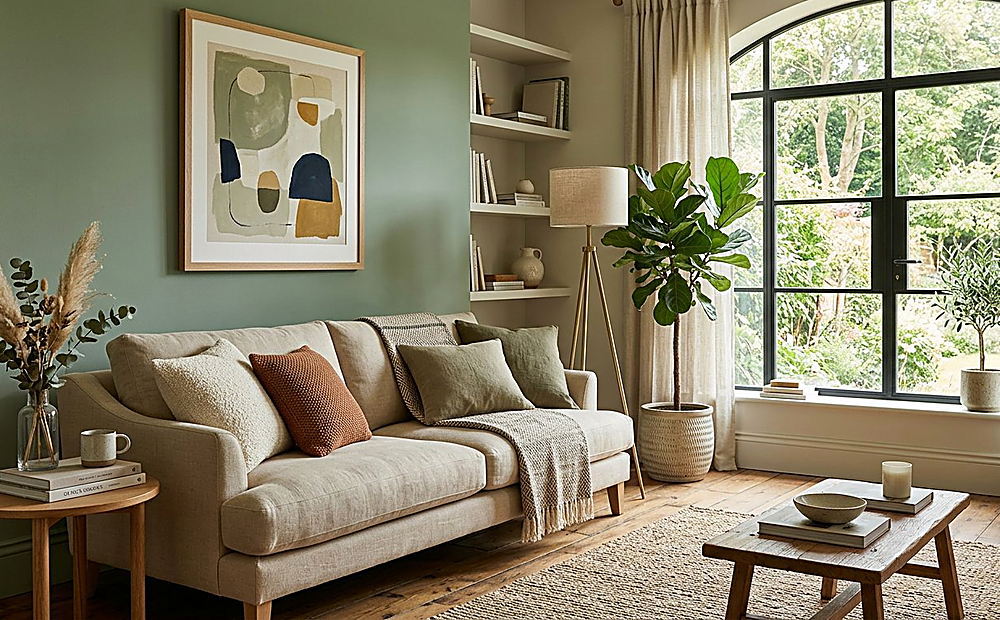
A compact room is not a problem to be solved — it is a set of decisions to make well. When floor space is limited, every choice about layout, colour, storage and light has a bigger job to do, which is exactly why a small space so often ends up feeling more considered than a large one.
Design around the life you actually live
Before a single cushion is chosen, take a week to notice how the room is used. Where do shoes land? Which corner collects the mail? Where does the light fall in the morning? Renovation decisions get dramatically easier once they answer a real habit rather than a magazine photograph.
- Walk the room and mark the paths you take most often — furniture should never block them.
- Note the hours the room is brightest and darkest, then plan seating and lamps around that.
- Decide what must be stored daily, weekly and seasonally before you shop for units.
Start with a floor plan, not a shopping list
Sketch the room on paper with doors, windows and radiators marked. Furniture that fits on a plan fits in the room — returns get expensive when you buy first and measure later.
Choose a calm palette, then one moment of colour
A single continuous colour across walls, trim and ceiling lets the eye travel without interruption, which reads as more space. Choose a warm neutral for the shell of the room, then spend your contrast budget in one deliberate place: a deep-toned alcove, a patterned headboard, a statement chair.
Paint is the most forgiving upgrade in the house, so test it properly. Sample boards move around the room with the light, giving you a truer picture than a small square beside a switch plate.
Let furniture do more than one job
Multi-purpose pieces earn their footprint. A storage ottoman doubles as seating for guests and a home for blankets. A slim console behind a sofa adds a lamp, a place for keys and a sense of separation between living and dining zones. Wall-hung desks and nesting tables fold the room out when you need it and away when you do not.
- Choose furniture with visible legs — light passes underneath and the floor reads larger.
- Prefer taller, slimmer storage over low, wide units that eat wall space.
- Float a rug rather than pushing it against the walls; it defines the room's centre.
Guide the eye with scale and light
Scale is where compact rooms are won. A generous rug anchors a seating group; a tall mirror bounces daylight into a dark corner; curtains hung close to the ceiling and dropped to the floor add height. Artwork placed at a slightly lower eye level keeps the walls from feeling distant.
Layer lighting in at least two directions so the room never relies on one harsh source. A floor lamp for reading, a warm table lamp for evenings and dimmable wall lights for flexibility will change how the whole space feels after dark.
Rethink storage before you redecorate
If the room keeps looking untidy, storage is usually the real renovation. Alcove shelving, built-in benches, under-bed drawers and a properly planned entryway all remove clutter from sight — and visual clutter is what shrinks a room faster than a lack of square feet ever will.
When to bring in an interior team
Many homeowners get most of the way there with layout and paint, then stall on joinery, lighting circuits and colour matching between rooms. That is the point where our interior team is most useful: we plan the whole home as one scheme, handle the trades, source the pieces and install them — so the finished rooms feel like a single idea rather than a series of experiments.